
Optimal Timing for Landscaping Projects
Landscaping projects are most effective when scheduled during specific times of the year. Proper timing ensures healthy plant growth, optimal soil conditions, and efficient use of resources. Understanding seasonal patterns can help achieve the desired aesthetic and functional outcomes.
Spring is ideal for planting new landscapes as soil warms and plants establish before the summer heat.
Summer allows for maintenance and finishing touches, but planting should be done early to avoid heat stress.
Fall provides cooler temperatures and more moisture, making it suitable for planting and soil preparation.
Winter is typically less ideal for planting but suitable for planning and designing landscapes.
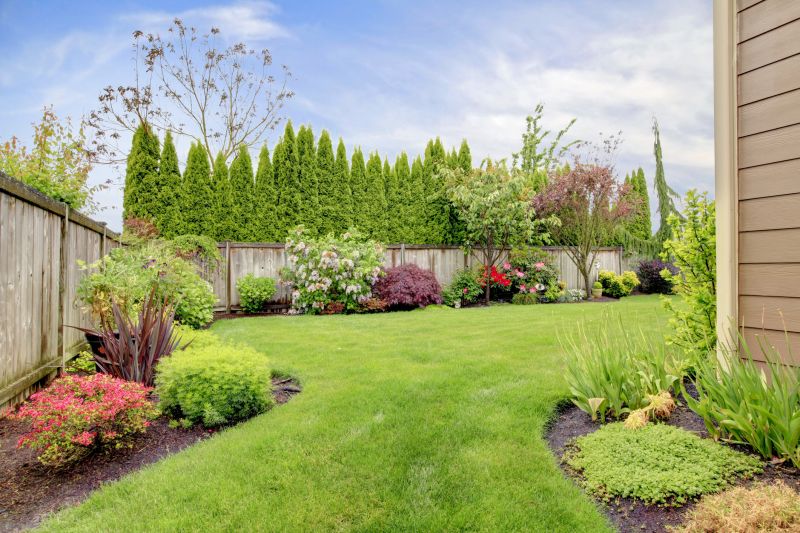
Ways to make Landscapings work in tight or awkward layouts.
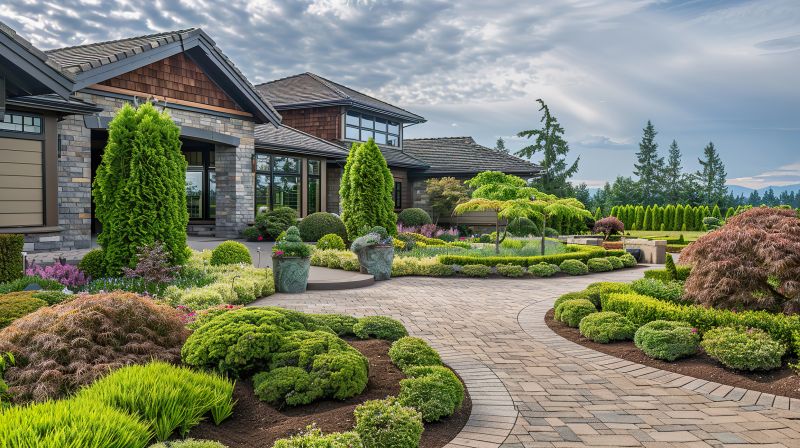
Popular materials for Landscapings and why they hold up over time.
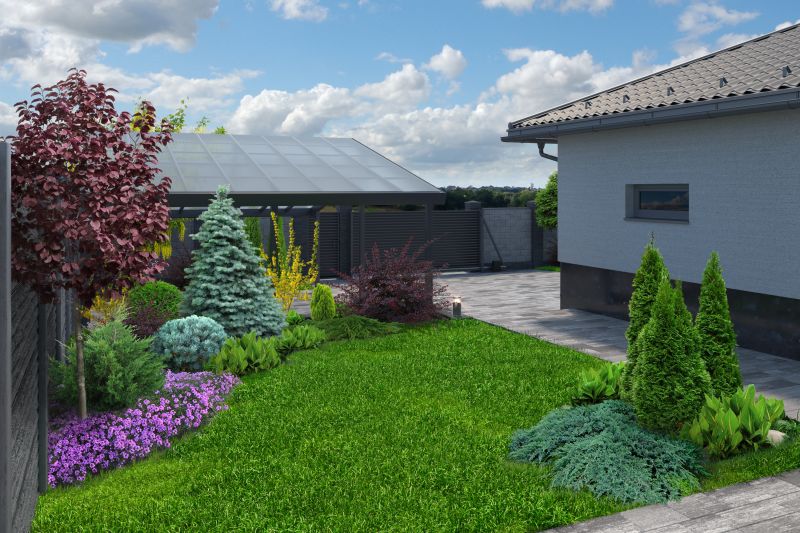
Simple add-ons that improve Landscapings without blowing the budget.
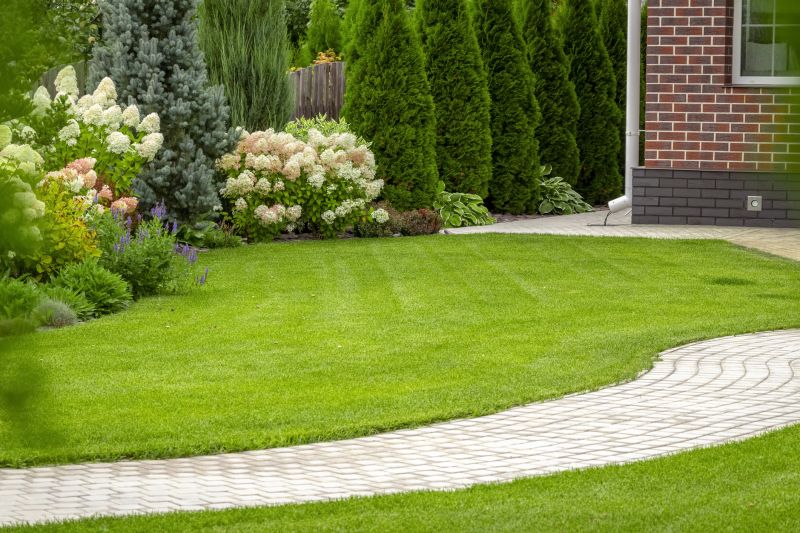
High-end options that actually feel worth it for Landscapings.
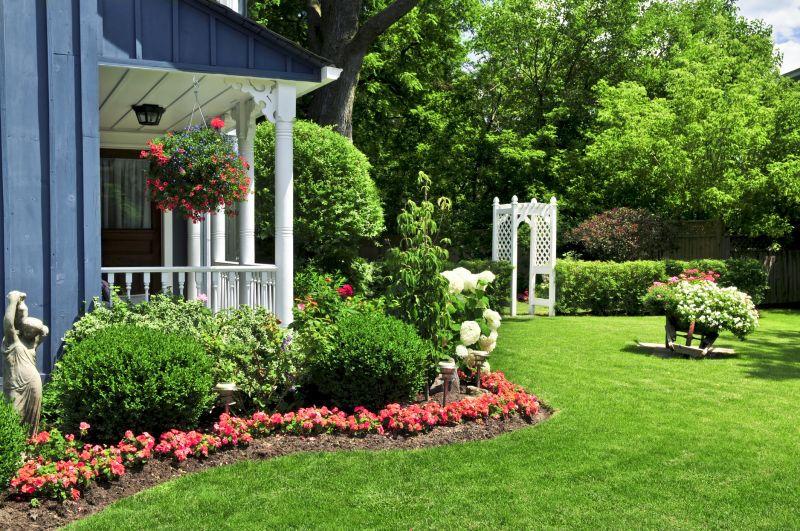
Finishes and colors that play nicely with Landscapings.

Little measurements that prevent headaches on Landscapings day.
Landscaping involves the design, installation, and maintenance of outdoor spaces to enhance aesthetic appeal and functionality. Proper timing aligns with plant growth cycles, soil conditions, and weather patterns to ensure successful implementation. Statistically, projects completed during optimal seasons tend to have higher survival rates and lower maintenance costs, making timing a critical factor in landscaping success.
Scheduling landscaping during appropriate seasons can improve plant health, reduce costs, and extend the lifespan of landscape features.
Regional climate influences the best times for planting and construction, with warmer climates like Florida allowing for more flexibility.
Timing allows for adequate soil conditioning, which is essential for healthy root development and plant establishment.
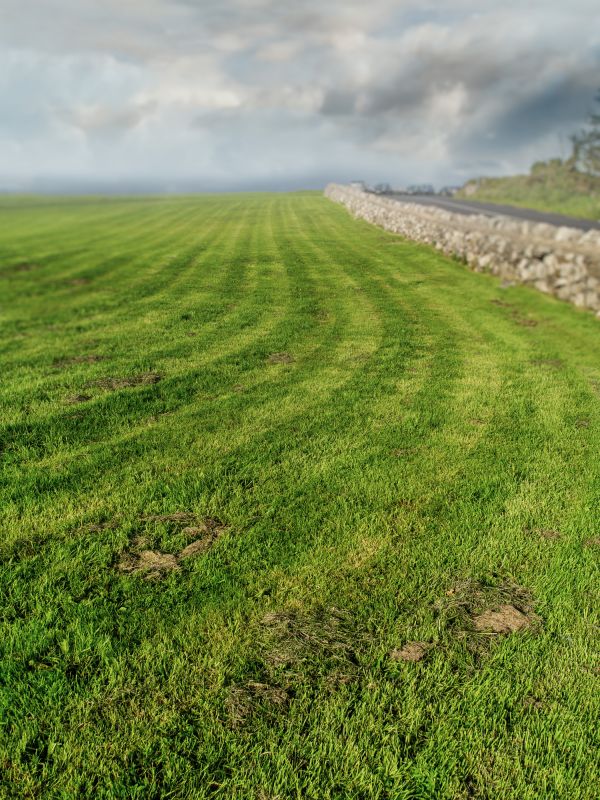
A 60-second routine that keeps Landscapings looking new.
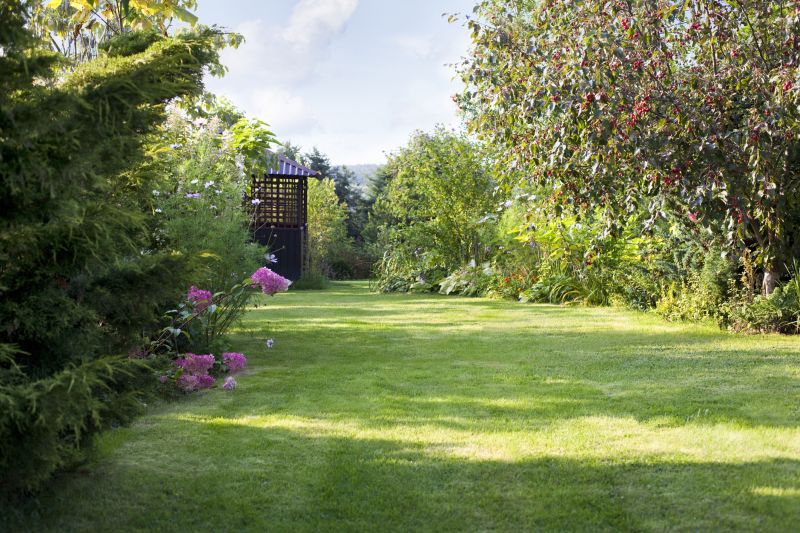
A frequent mistake in Landscapings and how to dodge it.
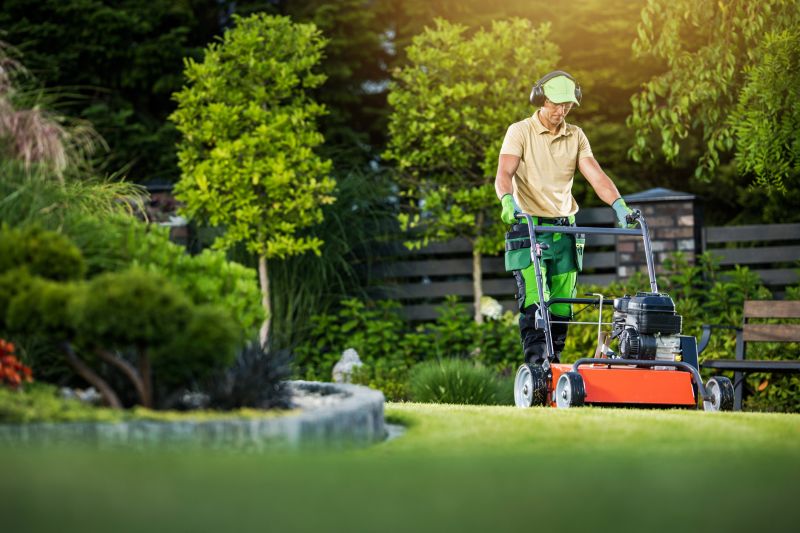
Small tweaks to make Landscapings safer and easier to use.
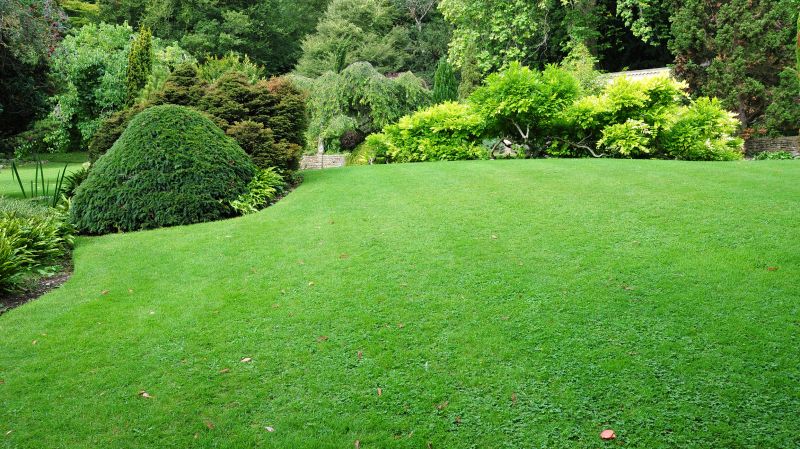
Lower-waste or water-saving choices for Landscapings.
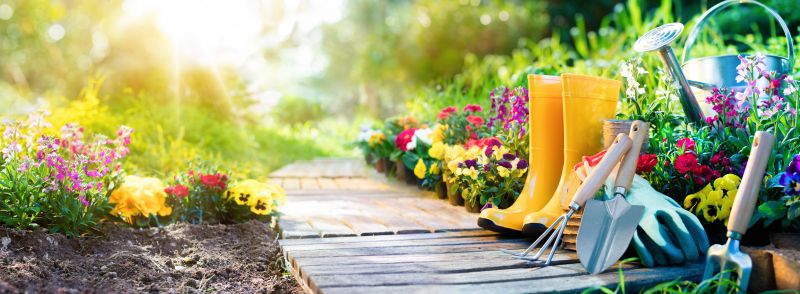
The short, realistic tool list for quality Landscapings.
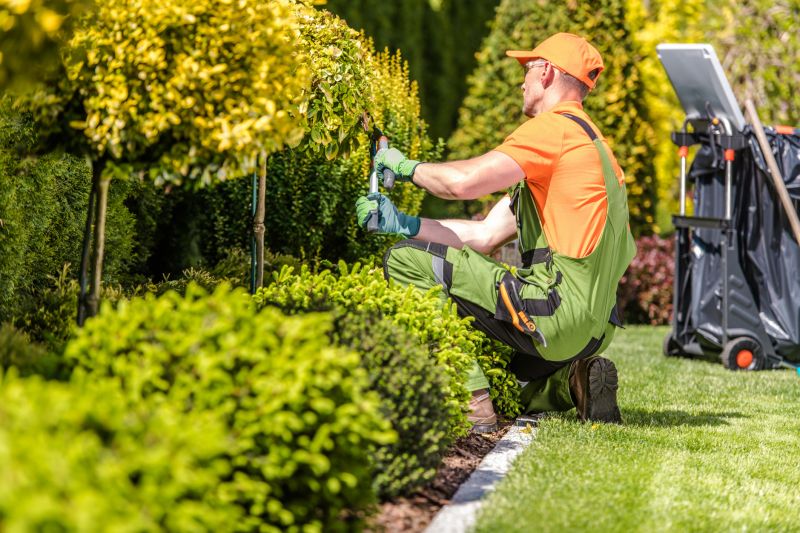
Rough timing from prep to clean-up for Landscapings.
| Season | Recommended Activities |
|---|---|
| Spring | Plant new greenery, prepare soil, and start irrigation systems. |
| Summer | Perform maintenance, prune, and finalize landscape features. |
| Fall | Plant bulbs, trees, and shrubs; prepare beds for winter. |
| Winter | Plan and design landscapes; avoid major planting. |
| Late Winter | Order plants and materials for upcoming spring projects. |
| Early Spring | Begin planting and soil conditioning. |
| Mid-Spring | Complete planting and start ongoing maintenance. |
| Late Spring | Assess landscape progress and make adjustments. |
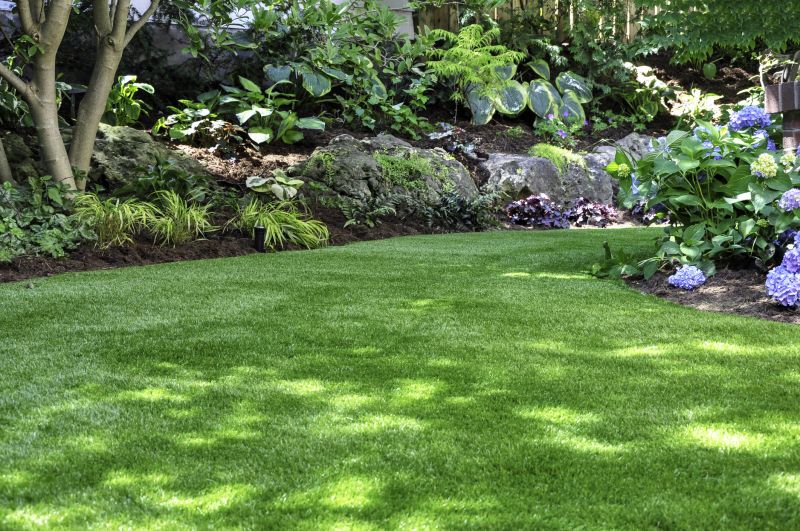
Quick checks and paperwork to keep after Landscapings.

Examples that show the impact a good Landscapings can make.
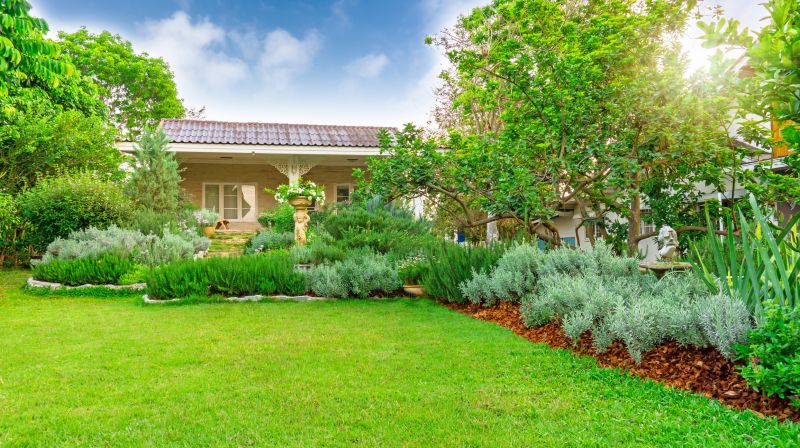
Ways to make Landscapings work in tight or awkward layouts.
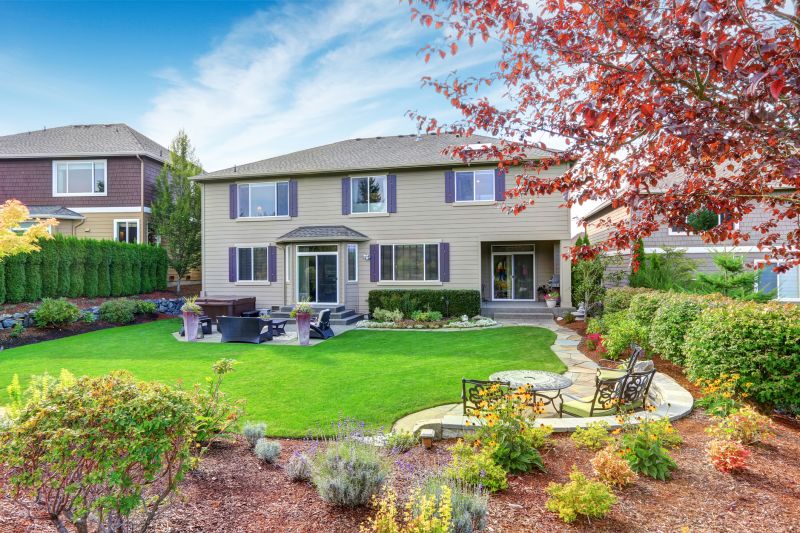
Ways to make Landscapings work in tight or awkward layouts.
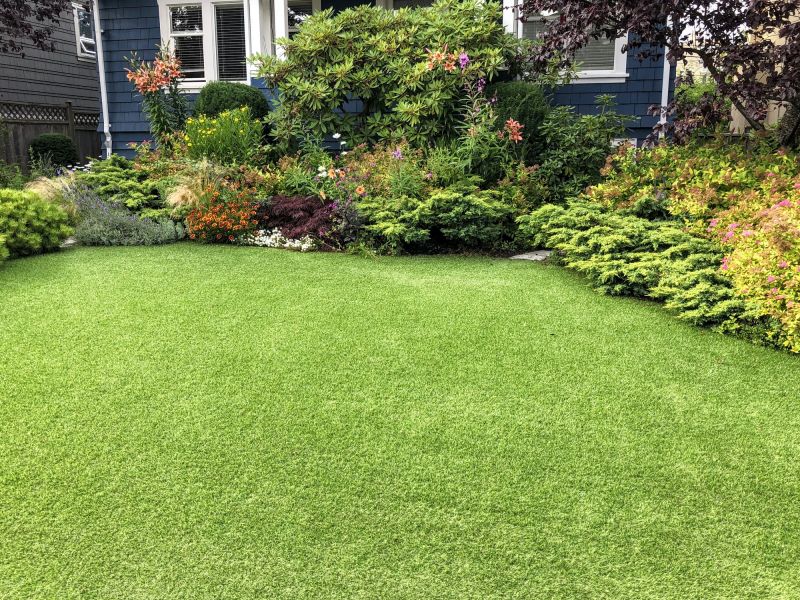
Ways to make Landscapings work in tight or awkward layouts.
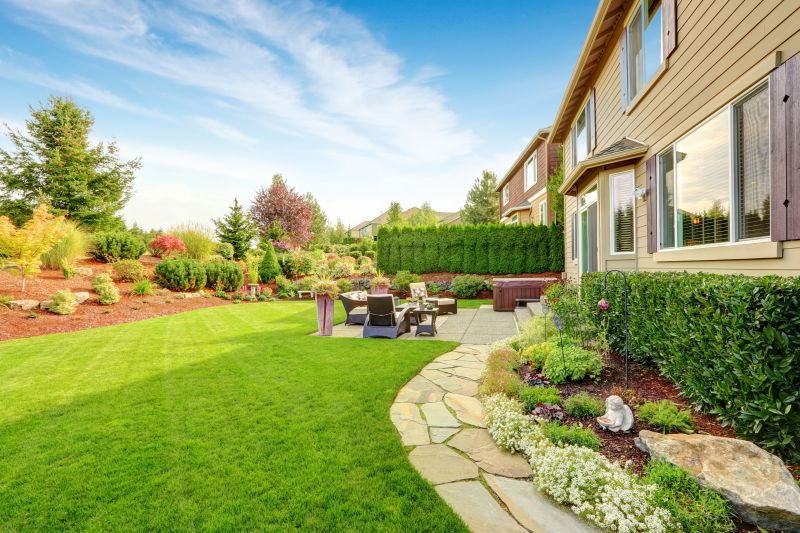
Ways to make Landscapings work in tight or awkward layouts.
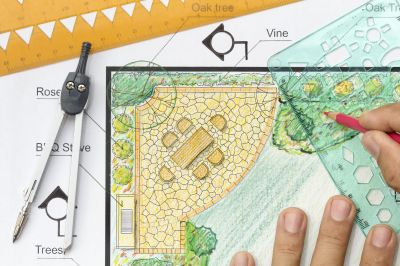
Ways to make Landscapings work in tight or awkward layouts.
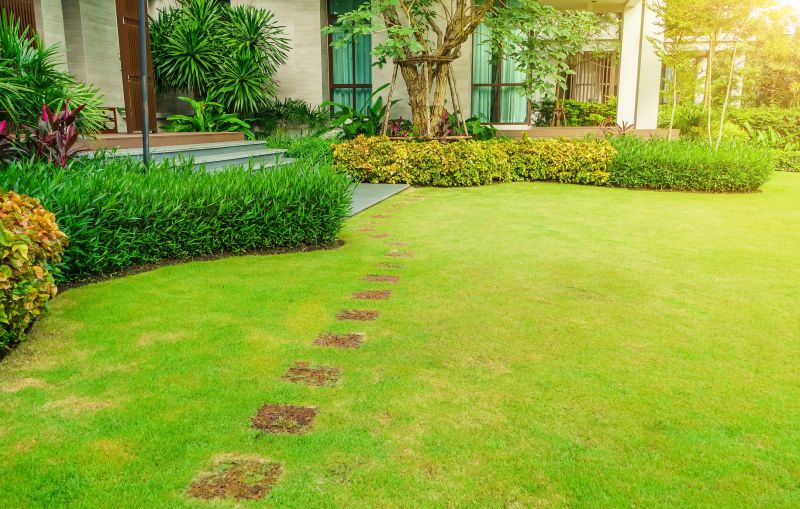
Ways to make Landscapings work in tight or awkward layouts.
Choosing the right time for landscaping projects can significantly influence their success and longevity. In regions like Palmetto, Florida, the warm climate allows for flexible scheduling, but understanding seasonal nuances remains essential. Proper timing supports healthy plant growth, reduces the need for rework, and ensures the landscape matures as intended.
Interested in planning a landscaping project? Filling out the contact form can provide tailored guidance on timing and design to suit specific needs and preferences.